Flea Removal Services by Pest Control Xperts in Rio Linda
Serving homes, apartments, dormitories, hotels, and healthcare offices throughout Rio Linda, California, and Surrounding Areas
Professional Flea Control & Extermination for Rio Linda, California
The persistent itch, the tiny red bites, the unsettling feeling that your home is no longer truly yours, if you are experiencing these frustrations in Rio Linda, you are likely battling a flea infestation. Many property owners attempt DIY solutions, only to find temporary relief. These store-bought sprays and traps create an illusion of control, merely eliminating surface-level foragers while the true enemy, the hidden colony and its queen, continues to thrive deep within your home. At Rio Linda Pest Control Xperts, we understand your frustration, and we are here to provide the definitive, long-lasting solution by eradicating the problem at its source.
Why Fleas Appear in Rio Linda
Fleas are not just a nuisance, they are a testament to the unique environmental factors present in our region. Rio Linda, with its blend of rural charm and suburban development, offers ideal conditions for these resilient pests.
- Climate & Geography: California’s warm, dry summers and mild, wet winters create a seasonal ebb and flow for flea activity. While adult fleas can persist in low temperatures and high humidity during winter, the spring and early summer see a dramatic increase in numbers as conditions favor larval development. The proximity to the Sacramento River and surrounding agricultural areas can contribute to moisture, creating microclimates conducive to flea breeding, particularly for species like the cat flea, which is the most common flea in California.
- Food Sources: The abundance of domestic animals, including pets, and wildlife like feral cats, opossums, squirrels, and even rodents, provides a constant supply of hosts for fleas in our community.
- Foundation Cracks & Entry Points: Older homes and properties with unsealed cracks in foundations or gaps around windows and doors offer easy access for fleas to enter from outdoor environments.
- Neighboring Issues: Flea infestations can easily spread from neighboring properties, especially in densely populated areas or where outdoor pets are common.
Types of Fleas Commonly Found in California
While many refer to them simply as “fleas,” several species can infest homes and businesses in California. Understanding the specific type helps in effective extermination.
Cat Fleas (Ctenocephalides felis)
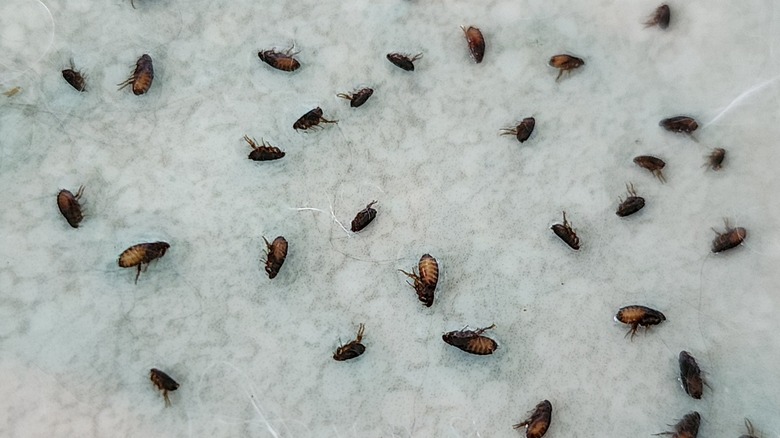
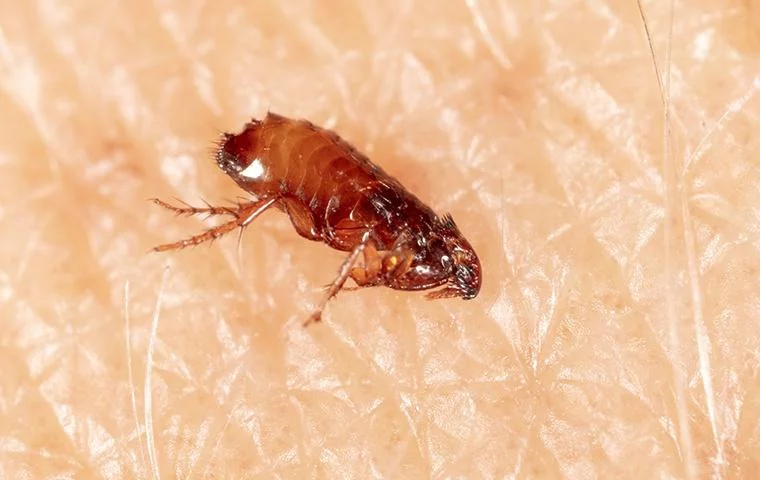
Identification: Despite their name, cat fleas are the most common flea found on both cats and dogs in California, and they readily bite humans. These reddish-brown, wingless insects are about 1/8 inch long and are laterally compressed, appearing as if they are walking on edge.
Behavior: Adult cat fleas remain on their host, where they feed, mate, and lay eggs. Eggs are laid on the host but quickly fall off into the environment, such as bedding and carpeting. Larvae develop in protected places with at least 75% relative humidity, feeding on dried blood and excrement from adult fleas.
Specific Risks: Cat fleas can transmit murine-like typhus disease (cat flea rickettsiosis) to humans, causing symptoms similar to murine typhus but less severe, including headaches, chills, fever, vomiting, and rash. They also serve as intermediate hosts for dog and cat tapeworms, which can sometimes affect children.
Dog Fleas (Ctenocephalides canis)
Identification & Behavior: Dog fleas are very similar in appearance to cat fleas but are rare in California. Their behavior and life cycle are comparable to cat fleas.
Specific Risks: Similar to cat fleas, dog fleas can also transmit tapeworms.
Sticktight Fleas (Echidnophaga gallinacea)
Identification: These fleas are commonly found on ground squirrels and poultry, with females firmly attaching themselves around the ears and eyes of their host. They are smaller than cat fleas.
Behavior: Unlike cat fleas that move freely, sticktight fleas remain attached to their host for extended periods.
Specific Risks: While primarily a concern for poultry and wild animals, they can become a problem for pets that roam, causing irritation and discomfort.
Ground Squirrel Fleas (Oropsylla montana)
Identification & Behavior: Found on ground squirrels, this species is a vector of sylvatic plague in California. They are typically not found on domestic pets unless there is close contact with infected wildlife.
Specific Risks: The primary risk is the transmission of sylvatic plague, a serious bacterial disease.
Problems Fleas Create for Homes and Businesses
An unchecked flea infestation can lead to a cascade of problems, impacting not only your comfort but also the integrity and reputation of your property.
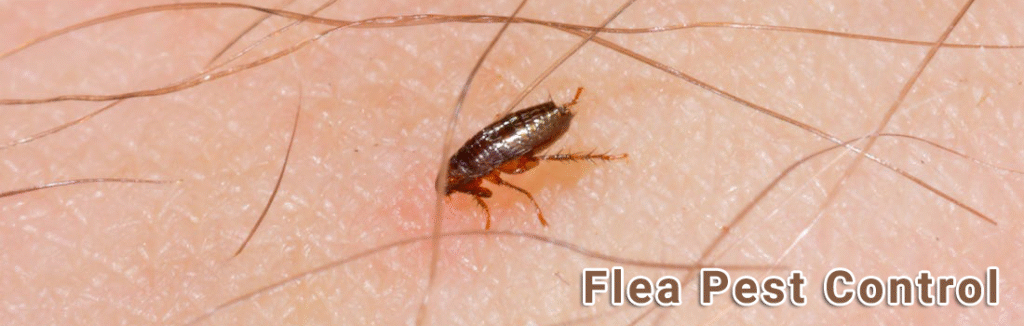
- Persistent Bites & Allergic Reactions: Flea bites cause irritating, itchy welts on humans and pets. For some, this can escalate to flea bite allergic dermatitis, leading to intense itching, hair loss, and secondary skin infections.
- Disease Transmission: Beyond the discomfort, fleas can transmit diseases. The cat flea, for instance, is a known vector for murine-like typhus disease in humans. They also act as intermediate hosts for tapeworms in pets, which can occasionally affect children.
- Daily Frustration & Stress: The constant battle against fleas can be incredibly stressful, disrupting your peace of mind and making your home feel unsanitary.
- Damage to Property: While not directly causing structural damage like some other pests, severe infestations can lead to pets scratching and chewing excessively, potentially damaging carpets, furniture, and other household items.
- Reputation Risk for Businesses: For businesses, a flea infestation can quickly tarnish your reputation, leading to customer complaints, loss of business, and negative reviews.
Signs of an Escalating Flea Infestation
Early detection is key to effective flea removal. Be vigilant for these warning signs that indicate a growing problem:
- Excessive Scratching and Biting by Pets: This is often the first and most obvious sign. Your pets may seem unusually agitated, constantly scratching, licking, or biting themselves.
- Visible Fleas on Pets or in the Environment: While small, adult fleas can be seen. You might spot them jumping on your pet, on their bedding, or even on your ankles or lower legs, especially when walking through suspected areas in white socks.
- “Flea Dirt” on Pets or Bedding: Flea dirt, which looks like tiny specks of black pepper, is actually flea feces composed of digested blood. If you comb your pet over a white surface, you might see these specks. If you wet them, they will turn reddish-brown.
- Flea Eggs: Flea eggs are pearly white, oval, and tiny. They are laid on the host but readily fall off into carpets, pet bedding, and cracks in flooring.
- Flea Larvae: In heavily infested, protected areas, you might find flea larvae. These are tiny, hairy, worm-like creatures that feed on flea dirt.
- Bites on Humans: Flea bites often appear as small, red, itchy bumps, frequently concentrated around the ankles and lower legs.
Why Professional Extermination is Essential for Flea Removal
The allure of quick fixes from store shelves is strong, but these DIY methods for flea removal are temporary illusions undone by the hidden colony. While they may offer a brief respite, they consistently fail to address the root of the problem, leading to recurring infestations and endless frustration.
- Targeting Only Foragers: Most over-the-counter sprays and foggers only kill adult fleas, the “foragers” you see. They do not penetrate deep enough to affect the eggs, larvae, and pupae hidden in carpets, cracks, and pet bedding. This means that while you might see fewer adult fleas for a short period, the next generation is already developing, ready to emerge and restart the cycle.
- The Hidden Colony and Queen: The true source of the infestation is the flea queen and her nest, often deeply embedded in your home’s environment. DIY treatments never reach this critical point. Without eliminating the queen, the colony will continue to reproduce, making complete eradication impossible with superficial methods.
- “Budding” of Colonies: In some cases, inadequate DIY treatments can cause flea colonies to “bud” or split, meaning they disperse to other areas of your home, making the problem even more widespread and difficult to control.
- Resistance to Pesticides: Repeated use of the same over-the-counter products can lead to fleas developing resistance, rendering your efforts even less effective over time.
- Safety Concerns: Misapplication of pesticides can pose risks to your family and pets. Professional exterminators use targeted treatments with appropriate safety measures.
Professional flea extermination focuses on complete colony destruction. We understand the flea life cycle and where these pests hide, allowing us to implement a comprehensive strategy that eliminates fleas at every stage of development, including the queen and her nest. This is the only way to achieve lasting freedom from fleas.
Our Flea Removal Method
At Rio Linda Pest Control Xperts, we employ a meticulous, multi-step process to ensure thorough flea removal and lasting peace of mind for your Rio Linda property.
- Consultation & Inspection: Our process begins with a detailed consultation to understand your specific flea concerns. We then conduct a comprehensive inspection of your property, both indoors and outdoors, to identify the extent of the infestation, locate breeding grounds, and determine the specific flea species involved. We pay close attention to areas where pets rest, upholstered furniture, carpets, and potential wildlife entry points.
- Customized Treatment Plan: Based on our findings, we develop a tailored treatment plan designed to effectively eliminate fleas from your property. This plan considers the severity of the infestation, the layout of your home or business, and the presence of pets and children.
- Targeted Application: We utilize professional-grade products and application techniques that target fleas at all life stages, including eggs, larvae, pupae, and adults. Our treatments are applied strategically to infested areas, ensuring maximum efficacy while minimizing exposure to non-target areas. This often includes the use of Insect Growth Regulators (IGRs) which prevent immature fleas from developing into biting adults.
- Exclusion & Maintenance Recommendations: Beyond immediate treatment, we provide expert recommendations for preventing future infestations. This may include advice on sealing entry points, managing pet flea control, and maintaining a clean environment.
- Monitoring & Follow-Up: We believe in thoroughness. Our service includes monitoring to ensure the treatment has been successful. We will schedule follow-up visits as needed to address any emerging fleas and confirm complete eradication. This is crucial because pupae can be resistant to initial treatments, and new adults may emerge for up to two weeks.
Related Flea Control Topics
Understanding Flea Life Cycle for Effective Control
The Four Stages of Flea Development
Fleas undergo a complete metamorphosis, passing through egg, larva, pupa, and adult stages. Understanding this cycle is crucial for effective control, as treatments must target all stages to break the cycle permanently.
Preventative Measures: Keeping Fleas Away
Tips for a Flea-Free Home and Yard
Maintaining a clean home, regularly vacuuming, washing pet bedding, and addressing outdoor harborage areas can significantly reduce the risk of flea infestations.
Flea-Borne Diseases and Health Risks
Protecting Your Family and Pets from Flea-Related Illnesses
Beyond the itch, fleas can transmit various pathogens, including those causing murine typhus and tapeworms. Awareness and control are vital for public health.
Flea Control for Businesses
Protecting Your Commercial Property from Flea Infestations
Businesses, especially those with pet-friendly policies or in close proximity to wildlife, require specialized flea control strategies to maintain a healthy and reputable environment.
Seasonal Flea Activity in California
When to Be Most Vigilant for Fleas
While fleas can be a year-round problem in California, their numbers tend to surge during the warmer, more humid months of spring and early summer.
Contact Rio Linda Pest Control Xperts Today
Do not let fleas dictate the comfort and safety of your home or business any longer. The cycle of frustration with temporary DIY fixes ends here. Rio Linda Pest Control Xperts offers the expert, comprehensive flea extermination you need to reclaim your property and enjoy lasting peace of mind. Contact us for an immediate consultation and take the first step towards a flea-free environment.
Rio Linda Pest Control Xperts proudly serves Rio Linda. Our service area includes zip code: 95673.