Ant Removal Services by Pest Control Xperts in Rio Linda
Serving homes, apartments, dormitories, hotels, and healthcare offices throughout Rio Linda, California, and Surrounding Areas
Professional Ant Control & Extermination for Rio Linda
Are you tired of finding ant trails marching across your kitchen counters, invading your pantry, or seemingly appearing out of nowhere in your home or business? You’ve tried the sprays, the traps, and the home remedies, only to see them return with renewed vigor. This frustrating cycle points to a larger, hidden problem: a thriving ant colony with a queen at its core, far beyond the reach of DIY solutions. At Rio Linda Pest Control Xperts, we understand your frustration and offer the definitive solution. We don’t just eliminate the ants you see; we eradicate the problem at its source, providing lasting relief and peace of mind.
Why Ants Appear in Rio Linda
The unique environment of California, particularly the Sacramento County area including Rio Linda, creates ideal conditions for ant infestations. Our region experiences hot, arid summers and short, cold, wet winters. This seasonal shift drives ants indoors seeking shelter, food, and moisture, especially during extreme temperatures or heavy rains. Local geographical features, such as proximity to Dry Creek and the agricultural landscapes, contribute to moisture sources and diverse foraging opportunities for ants.
Common architectural styles in our communities also play a significant role. Many homes, from historic wooden structures to newer suburban developments, can have vulnerabilities like foundation cracks, unsealed entry points, and moisture-prone areas (e.g., crawl spaces, basements). The older infrastructure in some parts of Rio Linda may have hidden pathways that ants exploit to gain entry.
Types of Ants Commonly Found in California
California is home to numerous ant species, but a few are particularly troublesome for property owners in our service area:
- Argentine Ants (Linepithema humile): These small, dull brown ants are perhaps the most common nuisance. They form massive supercolonies with multiple queens and are highly adaptable, often forming long trails as they forage for sweets and sometimes proteins. They displace native species and can be incredibly difficult to control with DIY methods due to their vast, interconnected colonies.
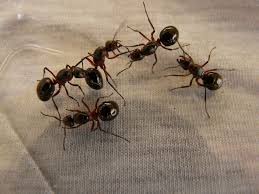
- Carpenter Ants (Camponotus spp.): Larger than most ants, these black or bicolored red and black ants don’t eat wood but excavate tunnels within damp or decaying wood to build their nests. This can lead to significant structural damage over time. Signs include sawdust-like frass near wood openings.
- Odorous House Ants (Tapinoma sessile): These dark brown to shiny black ants are named for the rotten coconut-like odor they emit when crushed. They are attracted to sugary foods and can establish nests in wall voids, under floors, or in garden soil, making them versatile invaders.
- Pavement Ants (Tetramorium caespitum): Dark brown to black, these ants are often found nesting in cracks in sidewalks, driveways, and building foundations. They forage for sweets, proteins, and grease, commonly invading indoor spaces.
- Southern Fire Ants (Solenopsis xyloni): Reddish-brown with a darker abdomen, these ants are known for their painful stings and aggressive behavior. They build small mounds in lawns or gardens and can quickly become a significant nuisance, posing health risks.
- Pharaoh Ants (Monomorium pharaonis): Tiny, yellow or honey-colored ants that prefer warm, moist indoor environments. They are known for quickly forming new colonies and can spread pathogens, making them a concern in sensitive environments.
Problems Ants Create for Homes and Businesses
An unchecked ant infestation is more than just an annoyance. It can lead to a range of significant problems:
- Food Contamination: Ants, particularly odorous house ants and Argentine ants, relentlessly forage for food, contaminating pantries, kitchens, and food preparation areas.
- Property Damage: Carpenter ants can cause serious structural damage by tunneling through wooden beams, walls, and other structural components. Pavement ants can undermine sidewalks and foundations.
- Health Risks: While most ants are not directly harmful, fire ants deliver painful stings that can cause welts and allergic reactions in sensitive individuals. Pharaoh ants can transmit pathogens, posing a risk in healthcare and food-handling settings.
- Daily Frustration: The constant presence of ant trails, the need to clean up after them, and the worry of contamination can significantly impact your daily life and peace of mind.
- Reputation Risk for Businesses: For businesses, especially those in the food service or hospitality industry, an ant infestation can severely damage reputation, lead to health code violations, and result in lost revenue.
Signs of an Escalating Ant Infestation
Early detection is key to effective ant control. Be vigilant for these warning signs:
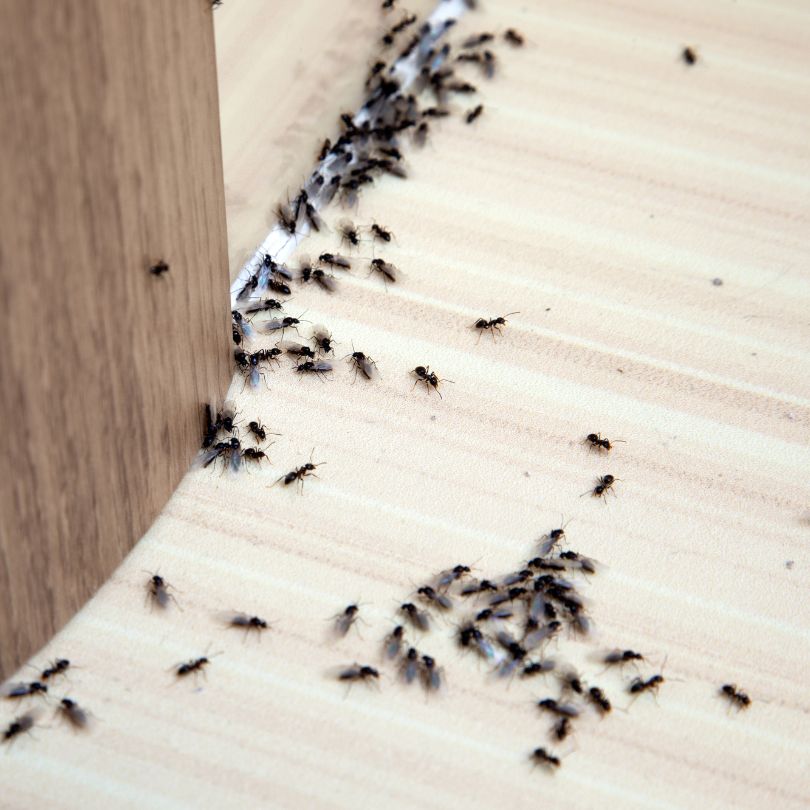
- Consistent Ant Trails: Seeing a continuous line of ants, especially leading to or from a food source, indicates a well-established foraging trail and a nearby colony.
- Frass or Sawdust Piles: For carpenter ants, small piles of wood shavings, often mixed with insect parts, near wooden structures are a clear indicator of their tunneling activity.
- Winged Ants Indoors: Swarms of winged ants, often mistaken for termites, are reproductive ants emerging to establish new colonies. This suggests a mature and extensive infestation within or very close to your property.
- Specific Odors: A distinct, unpleasant odor, often described as rotten coconut, can indicate the presence of odorous house ants.
- Nests in Unexpected Places: Discovering small mounds of soil or debris in your yard, along sidewalks, or even inside wall voids can point to hidden ant nests.
Why Professional Extermination is Essential for Ant Removal
Many property owners attempt to tackle ant problems themselves, only to find their efforts are temporary illusions undone by the hidden colony. Store-bought sprays and traps offer superficial solutions that rarely address the root cause:
- Targeting Foragers, Not the Colony: Most DIY products only kill the visible worker ants, the foragers. These are just a small fraction of the entire colony. The queen, nestled safely within the nest, continues to lay eggs, ensuring a never-ending supply of new ants.
- Colony Budding: Some ant species, like Argentine ants, can react to perceived threats by “budding.” This means the colony splits into multiple smaller colonies, each with its own queen, effectively multiplying your problem instead of solving it.
- Incorrect Identification: Different ant species require different treatment approaches. Without proper identification, your DIY efforts might be ineffective or even counterproductive.
- Hidden Nests: Ant colonies are often located in hard-to-reach places, such as deep within wall voids, under foundations, or in underground nests. DIY treatments simply cannot penetrate these areas to eliminate the queen and the entire colony.
Professional ant control, like that offered by Rio Linda Pest Control Xperts, focuses on complete colony destruction. We employ targeted strategies that eliminate the queen and the entire nest, ensuring long-term relief from infestations.
Our Ant Removal Method
At Rio Linda Pest Control Xperts, we follow a meticulous, multi-step process to ensure thorough ant removal:
- Consultation & Inspection: Our experts conduct a comprehensive inspection of your property in Rio Linda to identify the ant species, locate entry points, and pinpoint nesting sites. This crucial step allows us to develop a customized treatment plan.
- Customized Treatment: Based on our findings, we implement targeted treatments designed to eliminate the specific ant species infesting your property. This may include advanced baiting systems that worker ants carry back to the colony, effectively eliminating the queen and the entire nest.
- Exclusion & Maintenance: We advise on and implement exclusion techniques to prevent future ant invasions, sealing entry points and addressing environmental factors that attract ants.
- Monitoring & Follow-Up: Our service includes monitoring to ensure the effectiveness of the treatment and follow-up visits as needed to address any lingering activity and provide ongoing protection.
Why Rio Linda Relies on Rio Linda Pest Control Xperts
When it comes to ant control in Rio Linda, Rio Linda Pest Control Xperts stands apart:
- Regional Familiarity: We possess in-depth knowledge of the local environment, climate, and common ant species specific to California, allowing us to provide highly effective and tailored solutions.
- Focus on Complete Colony Destruction: Our primary objective is to eliminate the entire ant colony, including the queen, ensuring that your ant problem is resolved permanently, not just temporarily.
- Safe Application Methods: We prioritize the safety of your family, pets, and the environment by using responsible and effective pest control methods.
- Commitment to Follow-Up: We stand by our service, offering ongoing support and follow-up to ensure your complete satisfaction and a truly ant-free environment.
Related Ant Control Topics
Ant Prevention Tips for Your Home
- Seal Entry Points: Regularly inspect your home’s foundation, windows, and doors for cracks and gaps, sealing them to block ant access.
- Manage Moisture: Repair leaky pipes, ensure proper drainage around your foundation, and reduce humidity indoors, as ants are attracted to moisture.
- Maintain a Clean Environment: Promptly clean up food spills, store food in airtight containers, and regularly empty trash cans to eliminate food sources.
Understanding Ant Behavior and Lifecycle
- Social Structures: Learn about the complex social structures of ant colonies, including the roles of queens, workers, and reproductives.
- Foraging Patterns: Understand how ants establish foraging trails and communicate to find food and water sources.
- Reproduction Cycle: Gain insight into the ant lifecycle, from egg to adult, to better comprehend infestation dynamics.
The Dangers of DIY Ant Control
- Ineffectiveness: Discover why store-bought sprays and traps often fail to address the root cause of an ant infestation.
- Colony Relocation: Learn how improper DIY treatments can sometimes cause ant colonies to scatter and form new nests, exacerbating the problem.
- Misidentification Risks: Understand the importance of correct ant species identification for effective treatment and how DIY methods often overlook this crucial step.
Seasonal Ant Activity in California
- Springtime Swarms: Learn why ants become more active in spring, often leading to increased indoor sightings.
- Summer Foraging: Understand how high summer temperatures drive ants to seek water and food indoors.
- Winter Shelter: Discover how ants seek warmth and shelter inside homes during the colder, wetter months.
Ant Control for Businesses and Commercial Properties
- Industry-Specific Challenges: Explore unique ant control challenges faced by various businesses, such as restaurants, warehouses, and offices.
- Integrated Pest Management (IPM): Learn about comprehensive IPM strategies tailored for commercial settings to prevent and manage ant infestations.
- Regulatory Compliance: Understand the importance of adhering to health and safety regulations for pest control in commercial environments.
Contact Us
Don’t let ants continue to disrupt your life. The temporary illusions of DIY methods will always be undone by the hidden colony. For true, lasting ant removal, you need professional expertise that targets the problem at its source, the queen and the nest. Contact us for an immediate consultation and take the first step towards an ant-free property. Call us today.
Our service area includes Rio Linda. We proudly serve the following zip codes: 95673, 95626, 95660, 95843, 95842.